
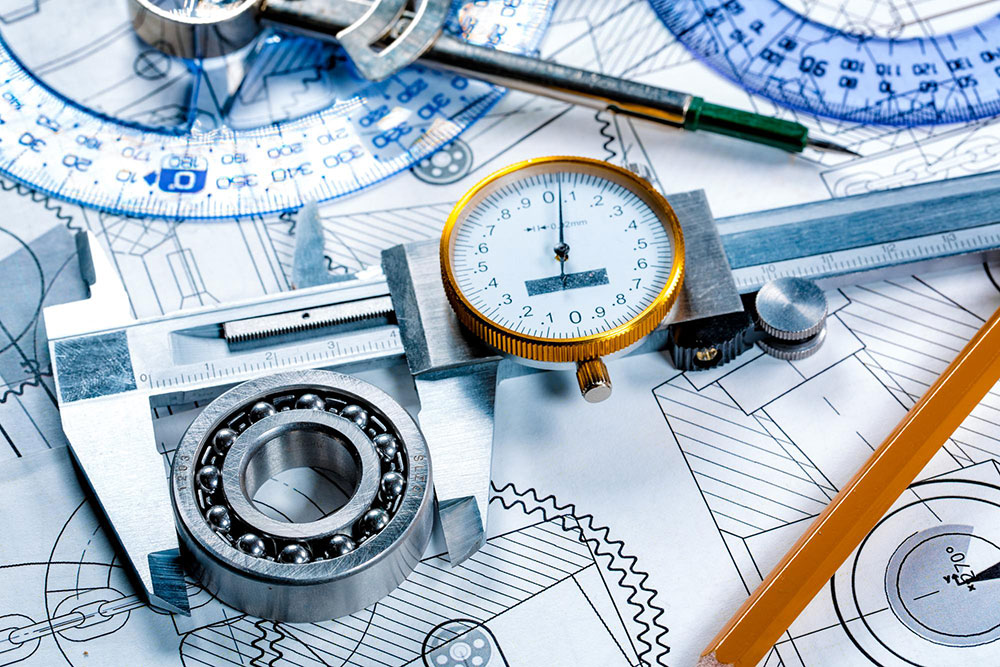
The field of engineering design has undergone significant transformations over the years, driven by advancements in technology and changes in industry practices. Central to this evolution has been the development and adoption of innovative engineering designing instruments, which have revolutionized the way engineers conceptualize, visualize, and create designs.
Traditionally, engineers relied on manual drafting techniques, using tools such as pencils, rulers, and drafting boards to sketch and refine their designs. However, the advent of CAD (Computer-Aided Design) software in the 1960s marked a paradigm shift in engineering design, allowing engineers to create digital models with unprecedented precision and efficiency.
Since then, engineering designing instruments have continued to evolve, with the introduction of 3D modeling, simulation, and prototyping technologies. These advancements have enabled engineers to explore complex designs, conduct virtual testing, and iterate rapidly, accelerating the product development cycle and reducing time-to-market.
Today, Engineering Designing Instruments Trading companies offer a diverse array of tools and technologies to meet the needs of modern engineering practices. From cloud-based collaboration platforms to AI-powered design optimization software, engineers have access to a wealth of resources to enhance their creativity, productivity, and competitiveness.
Looking ahead, the evolution of engineering designing instruments shows no signs of slowing down. As emerging technologies such as augmented reality, generative design, and additive manufacturing continue to mature, engineers can expect even greater opportunities to innovate and push the boundaries of what’s possible in design and engineering.